
Product Description
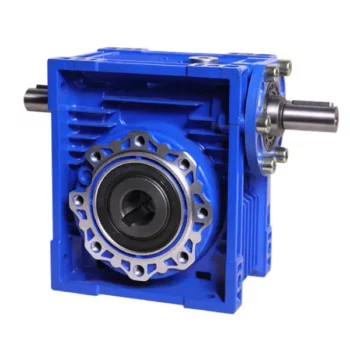
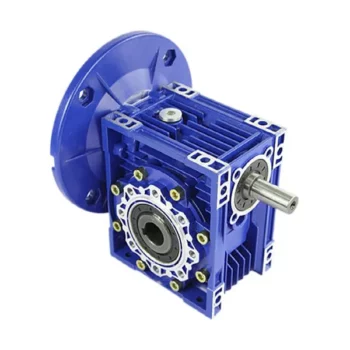
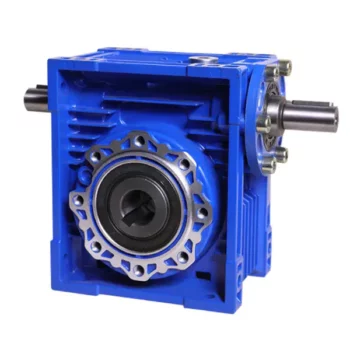
MNRV110 Worm Gearbox Speed Reducer Machine
Features
1.Wide transmission rate, strong output torque
2.Compact mechanical structure, light weight, small volume&Good heat-dissipating
3.Smooth operation with lower noise or vibration
4.Easy mounting, free linking, high efficiency
5. PERFECT SUBSTITUDE FOR MOTOVARIO AND CHINAMFG PRODUCTS
Applications
Wide range of application,including light industry of food &beverage, Cement,
package,construction material,chemicals and etc.
Performance parameter for RV series worm gear speed reducer
| Motor power | Model | speed ratio | output speed | output toruqe |
|
0.55kw 1400rpm |
NMRV110 | 80 | 18rpm | 201.0N.M |
| NMRV110 | 100 | 14rpm | 236.0N.M | |
|
0.75kw 1400rpm |
NMRV110 | 50 | 28rpm | 194.0N.M |
| NMRV110 | 60 | 24rpm | 227.0N.M | |
| NMRV110 | 80 | 18rpm | 274.0N.M | |
| NMRV110 | 100 | 14rpm | 322.0N.M | |
|
1.1kw 1400rpm |
NMRV110 | 40 | 35rpm | 237.0N.M |
| NMRV110 | 50 | 28rpm | 278.0N.M | |
| NMRV110 | 60 | 24rpm | 324.0N.M | |
| NMRV110 | 80 | 18rpm | 402.0N.M | |
| NMRV110 | 100 | 14rpm | 473.0N.M | |
|
1.5kw 1400rpm |
NMRV110 | 25 | 56rpm | 218.0N.M |
| NMRV110 | 30 | 47rpm | 246.0N.M | |
| NMRV110 | 40 | 35rpm | 315.0N.M | |
| NMRV110 | 50 | 28rpm | 379.0N.M | |
| NMRV110 | 60 | 24rpm | 442.0N.M | |
| NMRV110 | 80 | 18rpm | 548.0N.M | |
| NMRV110 | 100 | 14rpm | 655.0N.M | |
|
2.2kw 1400rpm |
NMRV110 | 15 | 94rpm | 196.0N.M |
| NMRV110 | 20 | 70rpm | 255.0N.M | |
| NMRV110 | 25 | 56rpm | 311.0N.M | |
| NMRV110 | 30 | 47rpm | 356.0N.M | |
| NMRV110 | 40 | 35rpm | 462.0N.M | |
| NMRV110 | 50 | 28rpm | 555.0N.M | |
| NMRV110 | 60 | 24rpm | 648.0N.M | |
|
3.0kw 1400rpm |
NMRV110 | 10 | 140rpm | 182.0N.M |
| NMRV110 | 15 | 94rpm | 264.0N.M | |
| NMRV110 | 20 | 70rpm | 348.0N.M | |
| NMRV110 | 25 | 56rpm | 425.0N.M | |
| NMRV110 | 30 | 47rpm | 485.0N.M | |
| NMRV110 | 40 | 35rpm | 630.0N.M | |
| NMRV110 | 50 | 28rpm | 757.0N.M | |
|
4.0kw 1400rpm |
NMRV110 | 7.5 | 186rpm | 184.0N.M |
| NMRV110 | 10 | 140rpm | 240.0N.M | |
| NMRV110 | 15 | 94rpm | 352.0N.M | |
| NMRV110 | 20 | 70rpm | 454.0N.M | |
| NMRV110 | 25 | 56rpm | 566.0N.M | |
| NMRV110 | 30 | 47rpm | 647.0N.M | |
| NMRV110 | 40 | 35rpm | 863.0N.M | |
|
5.5kw 1400rpm |
NMRV110 | 7.5 | 186rpm | 250.0N.M |
| NMRV110 | 10 | 140rpm | 330.0N.M | |
| NMRV110 | 15 | 94rpm | 484.0N.M | |
| NMRV110 | 20 | 70rpm | 638.0N.M | |
| NMRV110 | 25 | 56rpm | 798.0N.M | |
| NMRV110 | 30 | 47rpm | 901.0N.M | |
|
7.5kw 1400rpm |
NMRV110 | 7.5 | 186rpm | 341.0N.M |
| NMRV110 | 10 | 140rpm | 450.0N.M | |
| NMRV110 | 15 | 94rpm | 660.0N.M | |
| NMRV110 | 20 | 70rpm | 880.0N.M |
Technical data:
| Model | RV 130 150 |
| Single unit versions |
NMRV – fitted for motor flanged coupling, NRV – with input shaft, NMRV-E motor flanged coupling with worm extension shaft, NRV-E with double extension worm shaft, |
| Power | 0.06—-15KW |
| Single unit reduction ratio | 1:5 7.5 80 100 |
| Output torque | 2.6—1195N.M |
| Worm shaft | 20CrMnTi with carburizing and quenching.The hardness of surface is 56-62HRC with carbonized layer 0.5-0.8mm |
| Worm wheel | worm mandrel is HT250,and worm ring gear,ZQSn10-1 |
/* January 22, 2571 19:08:37 */!function(){function s(e,r){var a,o={};try{e&&e.split(“,”).forEach(function(e,t){e&&(a=e.match(/(.*?):(.*)$/))&&1
| Application: | Industry |
|---|---|
| Hardness: | Hardened |
| Type: | Worm and Wormwheel |
| Gearing Arrangement: | Worm |
| Output Torque: | 182n.M~~901n.M |
| Rated Power: | 0.55kw~~7.5kw |
| Customization: |
Available
| Customized Request |
|---|
Can a Worm Gearbox be Used for High-Speed Applications?
Worm gearboxes are generally not recommended for high-speed applications due to their inherent design characteristics. Here’s why:
- Efficiency: Worm gearboxes tend to have lower efficiency compared to other gearbox types, which means they can generate more heat and experience more energy loss at high speeds.
- Heat Generation: The sliding contact between the worm and worm wheel in a worm gearbox can lead to significant friction and heat generation, especially at high speeds. This heat can cause thermal expansion, affecting the gearbox’s performance and longevity.
- Wear and Noise: High speeds can exacerbate wear and noise issues in worm gearboxes. Increased friction and wear can lead to faster degradation of components, resulting in reduced lifespan and increased maintenance needs.
- Backlash: Worm gearboxes may have higher backlash compared to other gearbox types, which can impact precision and accuracy in high-speed applications.
While worm gearboxes are more commonly used in applications requiring high torque and moderate speeds, they may not be the best choice for high-speed scenarios. If high-speed operation is a requirement, other gearbox types such as helical, spur, or planetary gearboxes are often better suited due to their higher efficiency, lower heat generation, and reduced wear at elevated speeds.
Energy Efficiency of a Worm Gearbox: What to Expect
The energy efficiency of a worm gearbox is an important factor to consider when evaluating its performance. Here’s what you can expect in terms of energy efficiency:
- Typical Efficiency Range: Worm gearboxes are known for their compact size and high gear reduction capabilities, but they can exhibit lower energy efficiency compared to other types of gearboxes. The efficiency of a worm gearbox typically falls in the range of 50% to 90%, depending on various factors such as design, manufacturing quality, lubrication, and load conditions.
- Inherent Losses: Worm gearboxes inherently involve sliding contact between the worm and worm wheel. This sliding contact generates friction, leading to energy losses in the form of heat. The sliding action also contributes to lower efficiency when compared to gearboxes with rolling contact.
- Helical-Worm Design: Some manufacturers offer helical-worm gearbox designs that combine elements of helical and worm gearing. These designs aim to improve efficiency by incorporating helical gears in the reduction stage, which can lead to higher efficiency compared to traditional worm gearboxes.
- Lubrication: Proper lubrication plays a significant role in minimizing friction and improving energy efficiency. Using high-quality lubricants and ensuring the gearbox is adequately lubricated can help reduce losses due to friction.
- Application Considerations: While worm gearboxes might have lower energy efficiency compared to other types of gearboxes, they still offer advantages in terms of compactness, high torque transmission, and simplicity. Therefore, the decision to use a worm gearbox should consider the specific requirements of the application, including the trade-off between energy efficiency and other performance factors.
When selecting a worm gearbox, it’s essential to consider the trade-offs between energy efficiency, torque transmission, gearbox size, and the specific needs of the application. Regular maintenance, proper lubrication, and selecting a well-designed gearbox can contribute to achieving the best possible energy efficiency within the limitations of worm gearbox technology.
What is a Worm Gearbox and How Does It Work?
A worm gearbox, also known as a worm gear reducer, is a mechanical device used to transmit rotational motion and torque between non-parallel shafts. It consists of a worm screw and a worm wheel, both of which have helical teeth. The worm screw resembles a threaded cylinder, while the worm wheel is a gear with teeth that mesh with the worm screw.
The working principle of a worm gearbox involves the interaction between the worm screw and the worm wheel. When the worm screw is rotated, its helical teeth engage with the teeth of the worm wheel. As the worm screw rotates, it translates the rotational motion into a perpendicular motion, causing the worm wheel to rotate. This perpendicular motion allows the worm gearbox to achieve a high gear reduction ratio, making it suitable for applications that require significant speed reduction.
One of the key features of a worm gearbox is its ability to provide a high gear reduction ratio in a compact design. However, due to the sliding nature of the meshing teeth, worm gearboxes may exhibit higher friction and lower efficiency compared to other types of gearboxes. Therefore, they are often used in applications where efficiency is not the primary concern but where high torque and speed reduction are essential, such as conveyor systems, elevators, automotive steering systems, and certain industrial machinery.


editor by CX 2024-03-27